
OI Athletes
OI Athletes
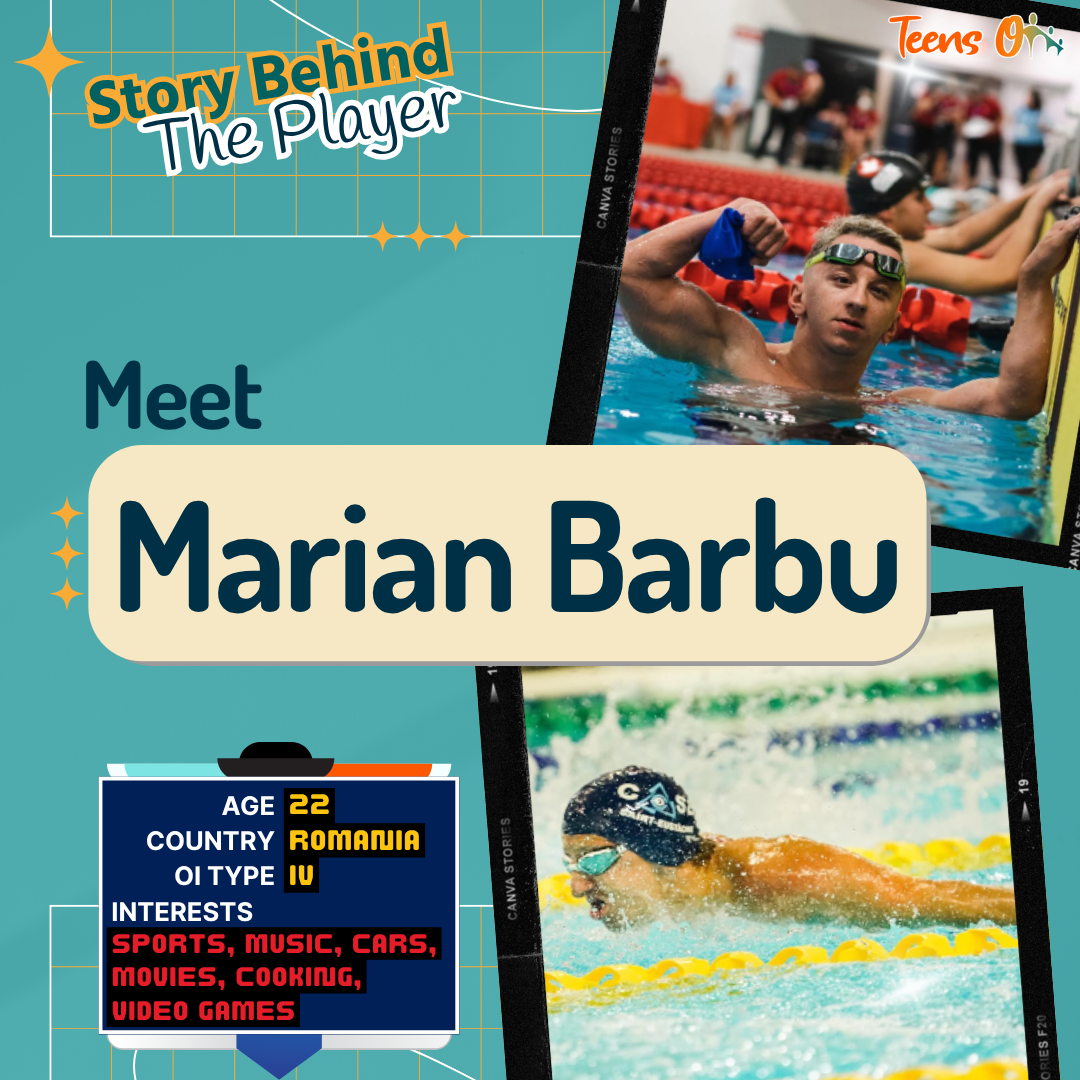
I. Swimming
Adapted swimming involves diverse modifications to meet the diverse needs of participants, ranging from the swimming environment, the different swim techniques, to the equipment. For equipment, some swimmers make use of one or multiple swimming aids such as pull buoys, fins, paddles, tuba, band and a board. Swimmers who use a wheelchair out of the water may require ramp accommodations to access the pool area with their wheelchairs. Should the swimmer feel insecure starting from the block or deck, an in-water start is allowed. Bright colored lane lines or markers on the lane lines may be of assistance. A bright colored marker may be placed on or near the wall to locate the wall.
Presently, there is still a growing need for more infrastructure and programs for children with disabilities, as well as for the creation of programs that train coaches to work with these children. Additionally, there is a need for more adapted swimming pools to help aspiring swimming athletes in their sport.


II. Dance
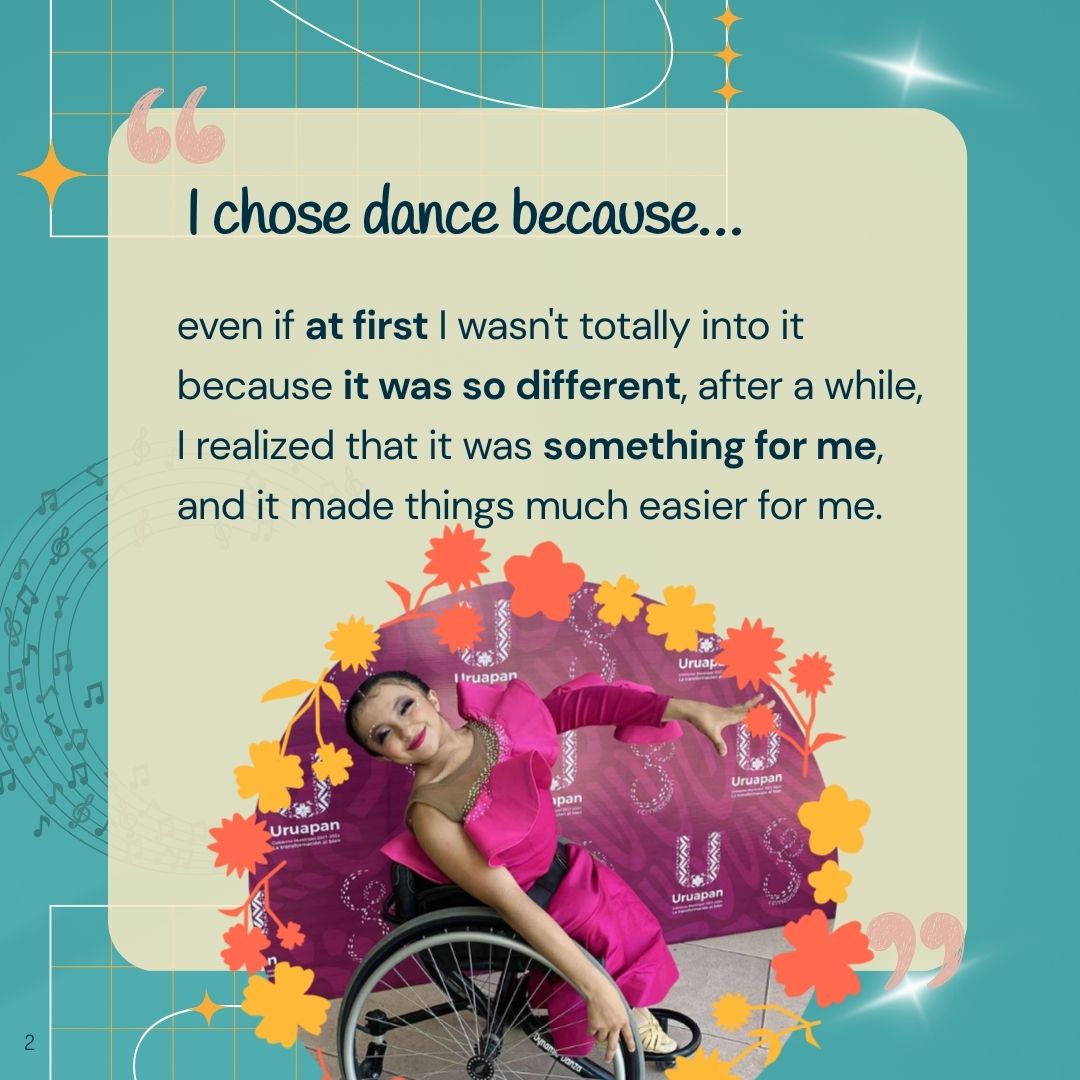
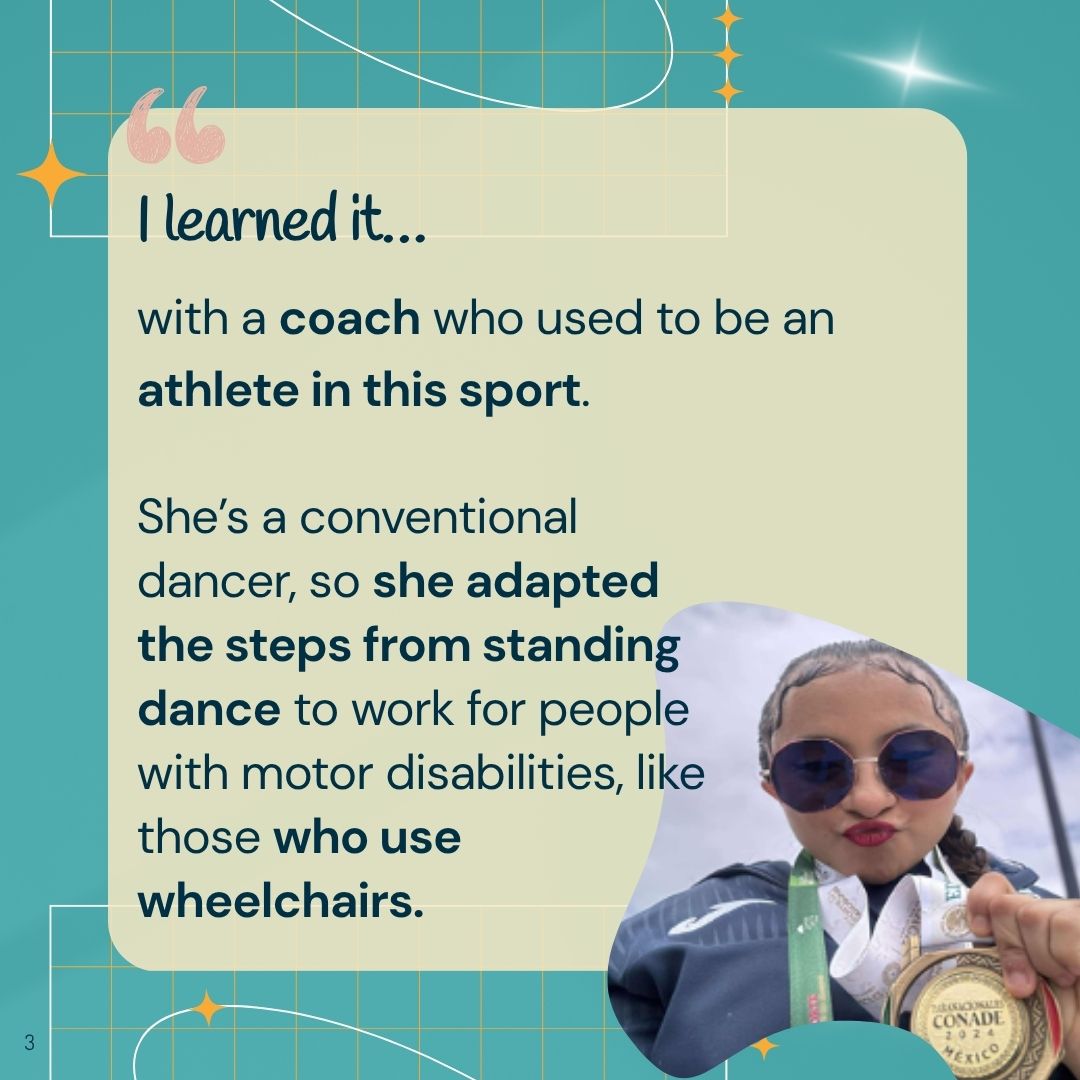
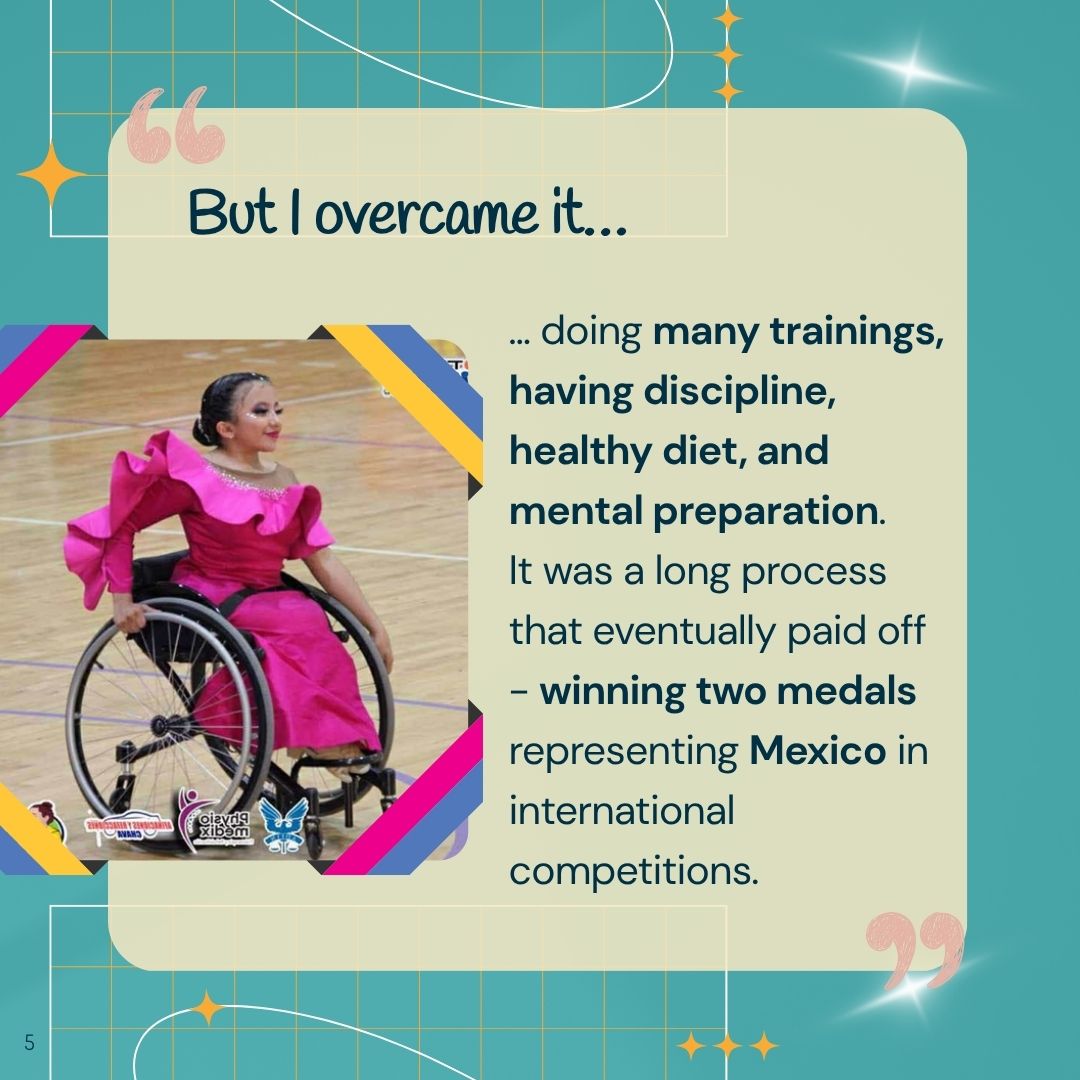
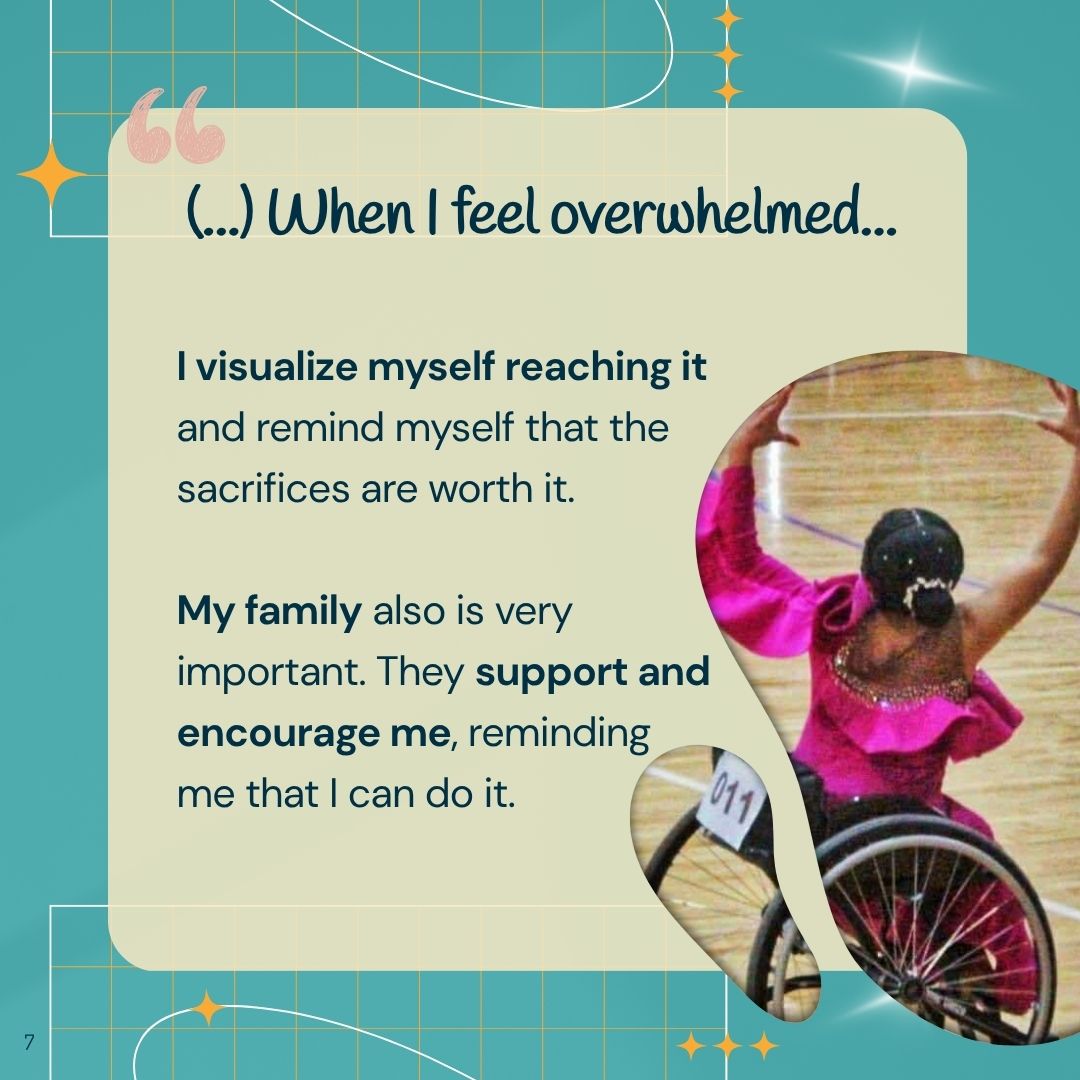
Para dance in a wheelchair, developed in Sweden in 1968, is a dynamic and inclusive form of dance that enables individuals with disabilities to express themselves through movement. This adaptive dance style integrates traditional dance techniques with modifications to accommodate the use of a wheelchair.
Participants can do their dance individually, with a partner who is abled-bodied (standing) or with another wheelchair user and there also exist the possibility to do a group dance with wheelchair users. They can perform a variety of dance styles, ranging from standard ballroom dances (Waltz, Tango, Viennese Waltz, Slow Foxtrot and Quickstep), Latin American dances (Samba, Cha-Cha-Cha, Rumba, Paso Doble and Jive) and Freestyle and Show Dances have also been included (Folk, Hip Hop, Standard, Ballet, Street, Salsa, Argentine Tango, Cumbia, Belly Dance etc.), showcasing a lot creativity and skill in the sport.
Para dancing not only promotes physical fitness and coordination but also fosters a sense of community and empowerment among dancers. It breaks down barriers and challenges stereotypes, demonstrating that dance is a universal language that transcends physical limitations.



III. Badminton
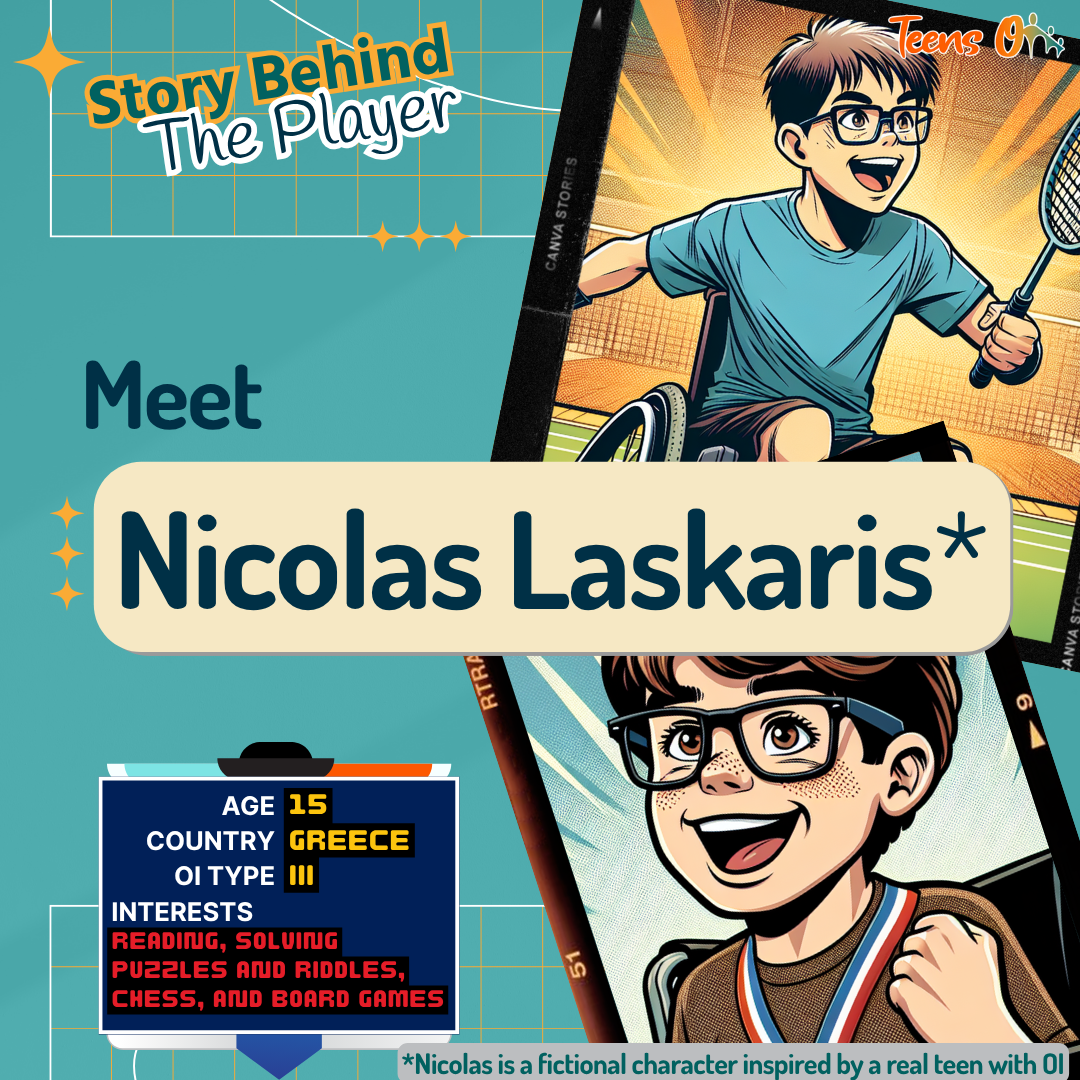
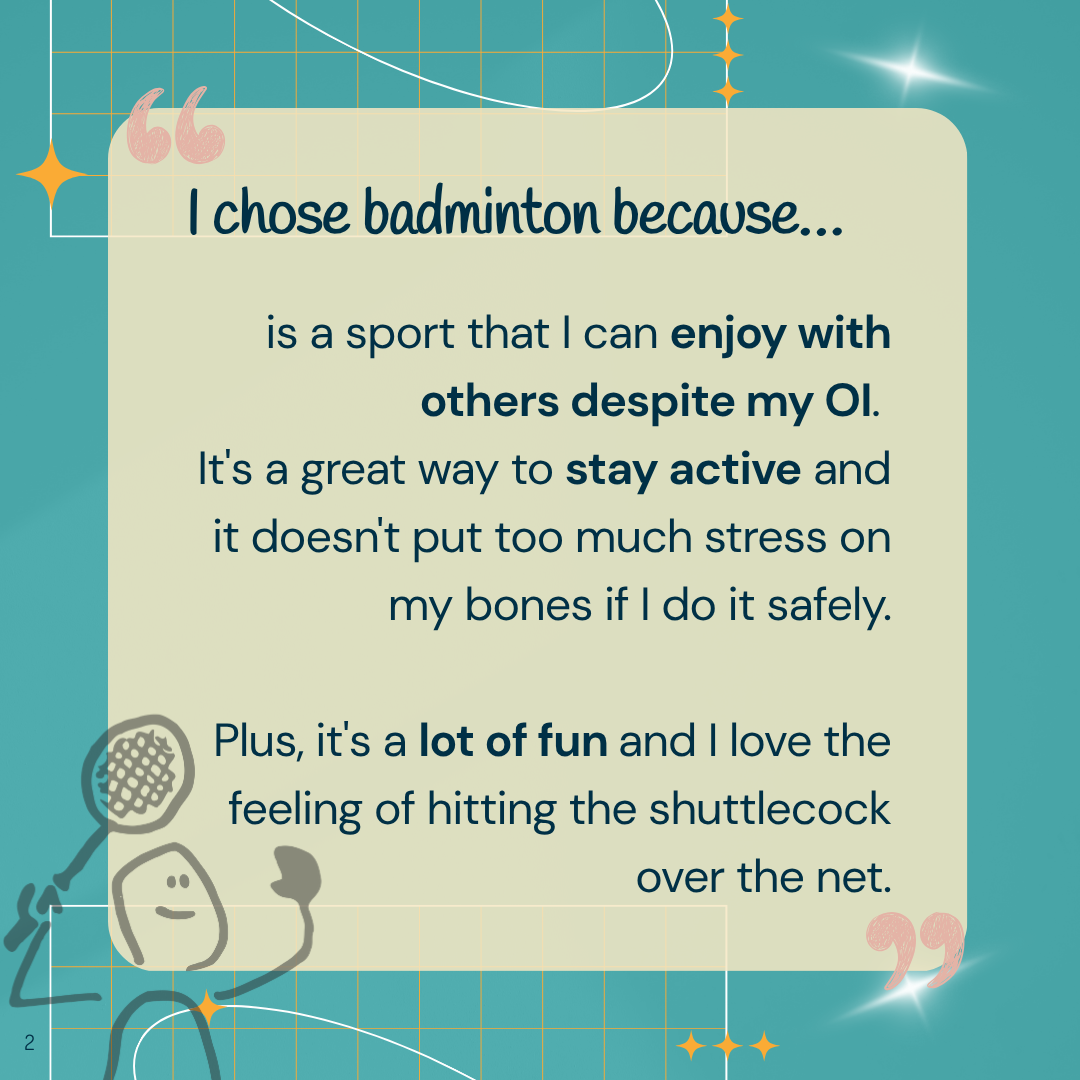
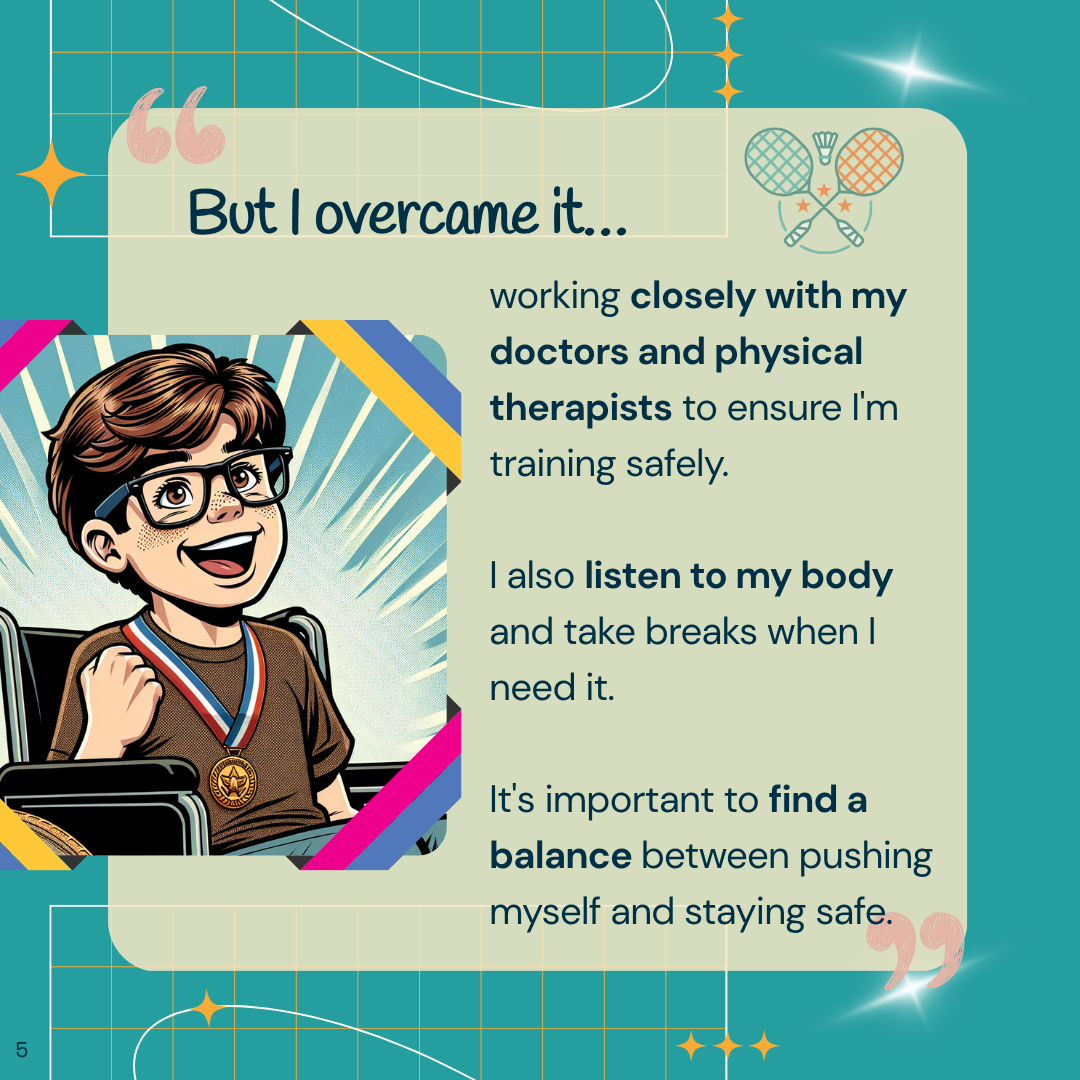
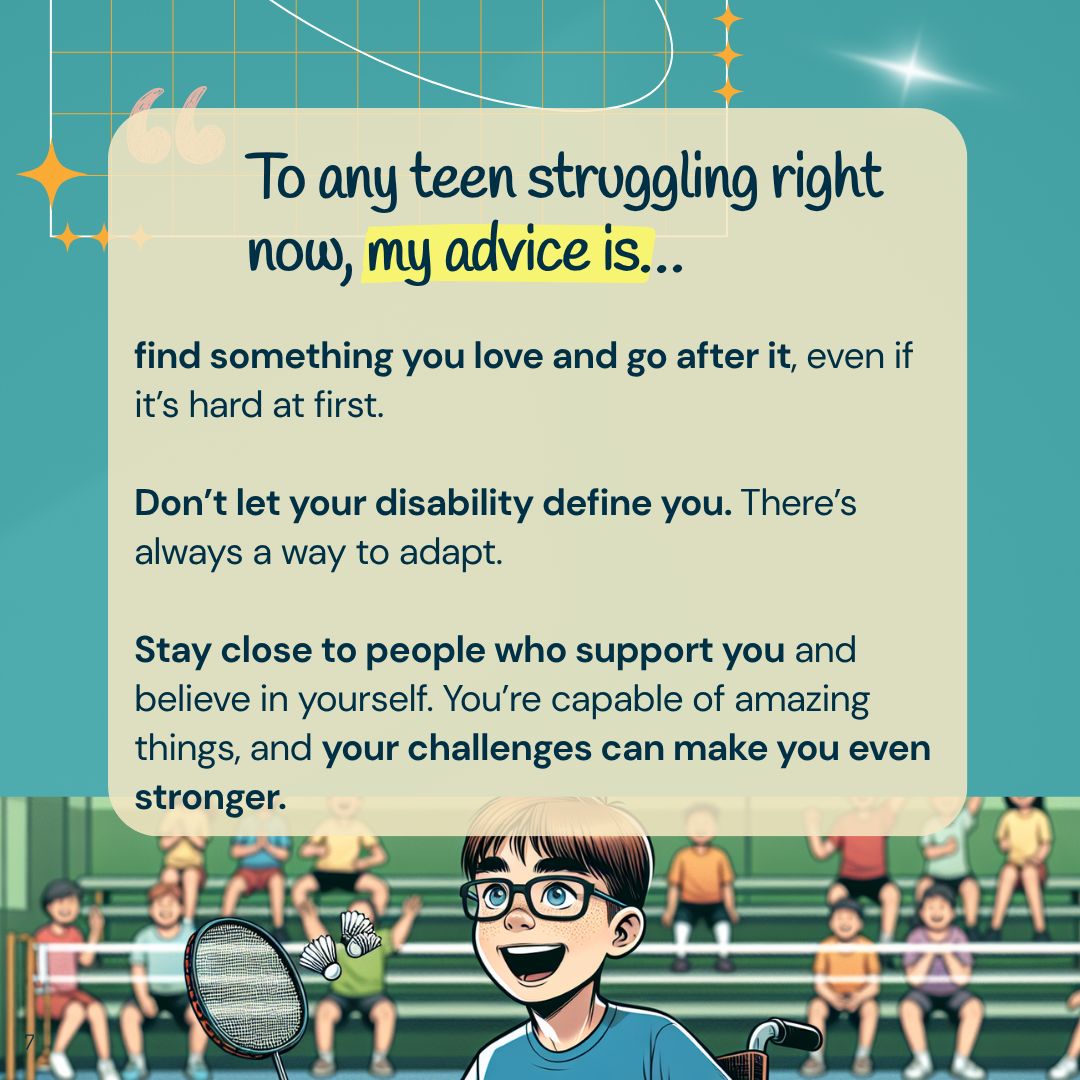
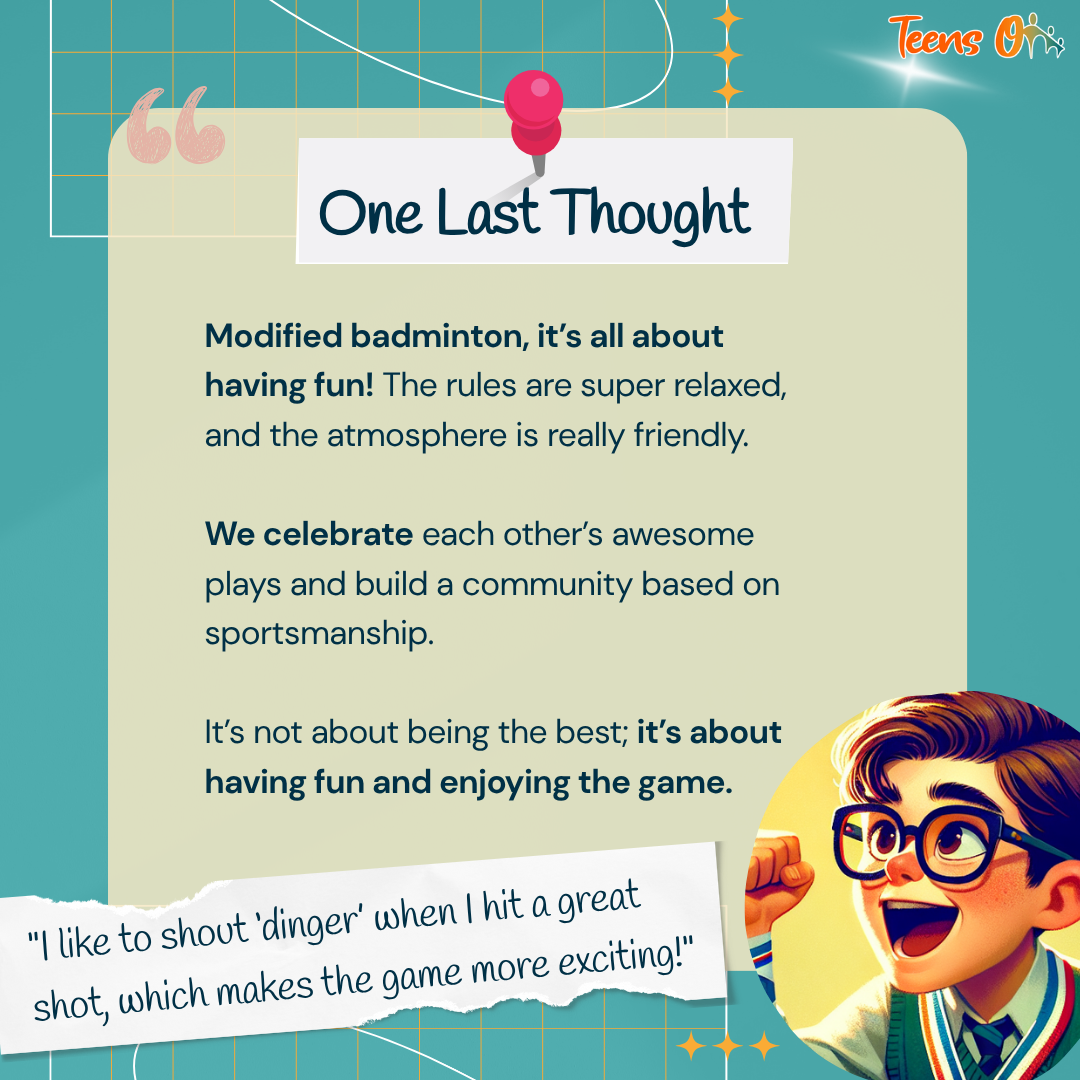
Adapted badminton refers to modifications made to the traditional game of badminton to accommodate individuals with disabilities, making it more inclusive. These adaptations can include changes to rules, equipment, or playing techniques to ensure everyone can participate and enjoy the sport.
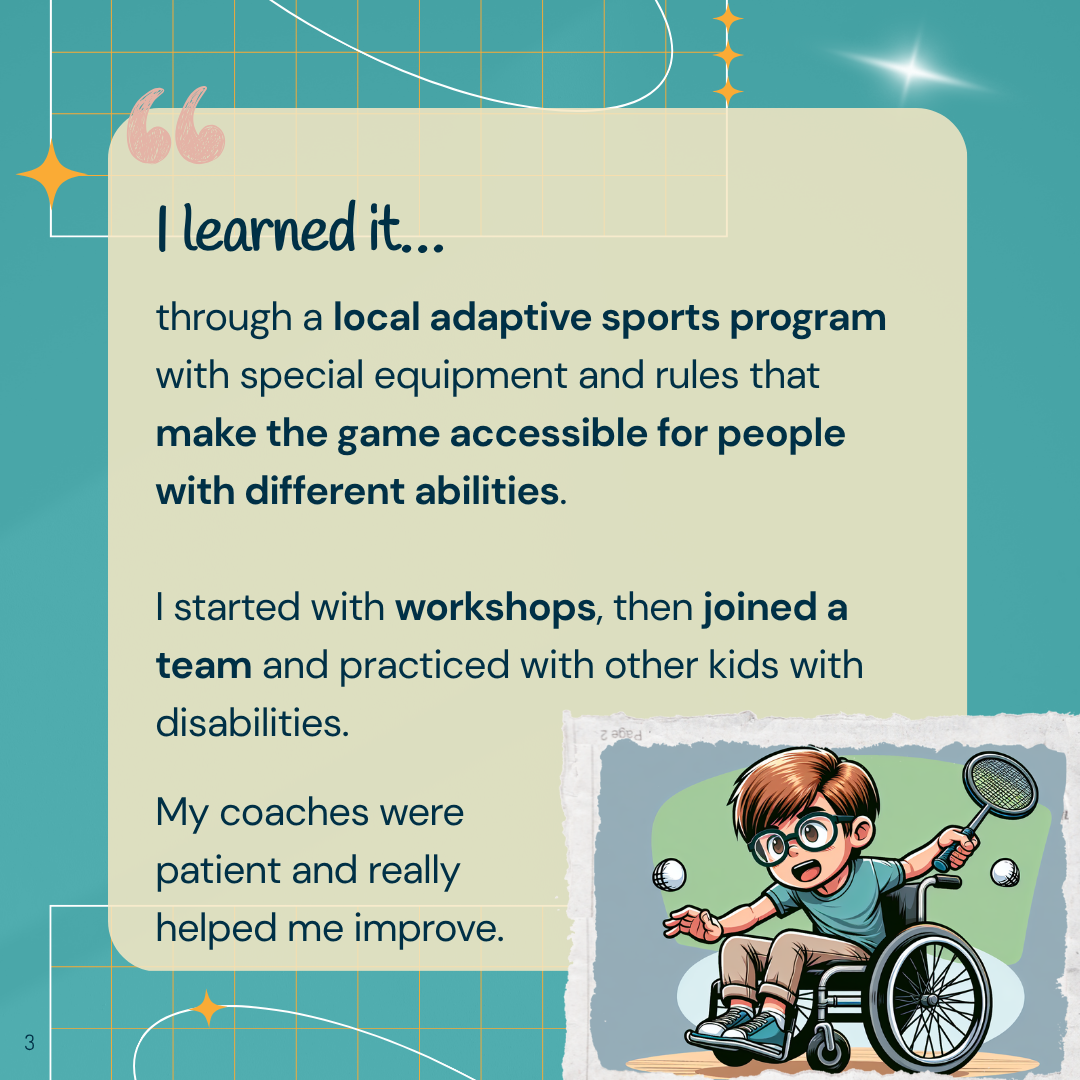
For those with mobility problem, the sport is adapted to them by providing them with the possibility to use either a manual or powered-wheelchair. The wheelchair can be customized to better support the player by having a lower seat height, be designed to be lightweight and agile, equipped with extra cushioning, adjustable components such as footrests, armrests, backrests, headrests and anti-tip wheels.
These modifications might involve using lighter rackets with a wider head, slower shuttlecocks meaning that they are much lighter, or adjusting the court size and net height. The sport encourages physical activity, social interaction, and skill development, fostering a sense of community and achievement among participants. Organizations and clubs often provide specialized coaching and support to ensure a welcoming environment for all players.

IV. Yoga
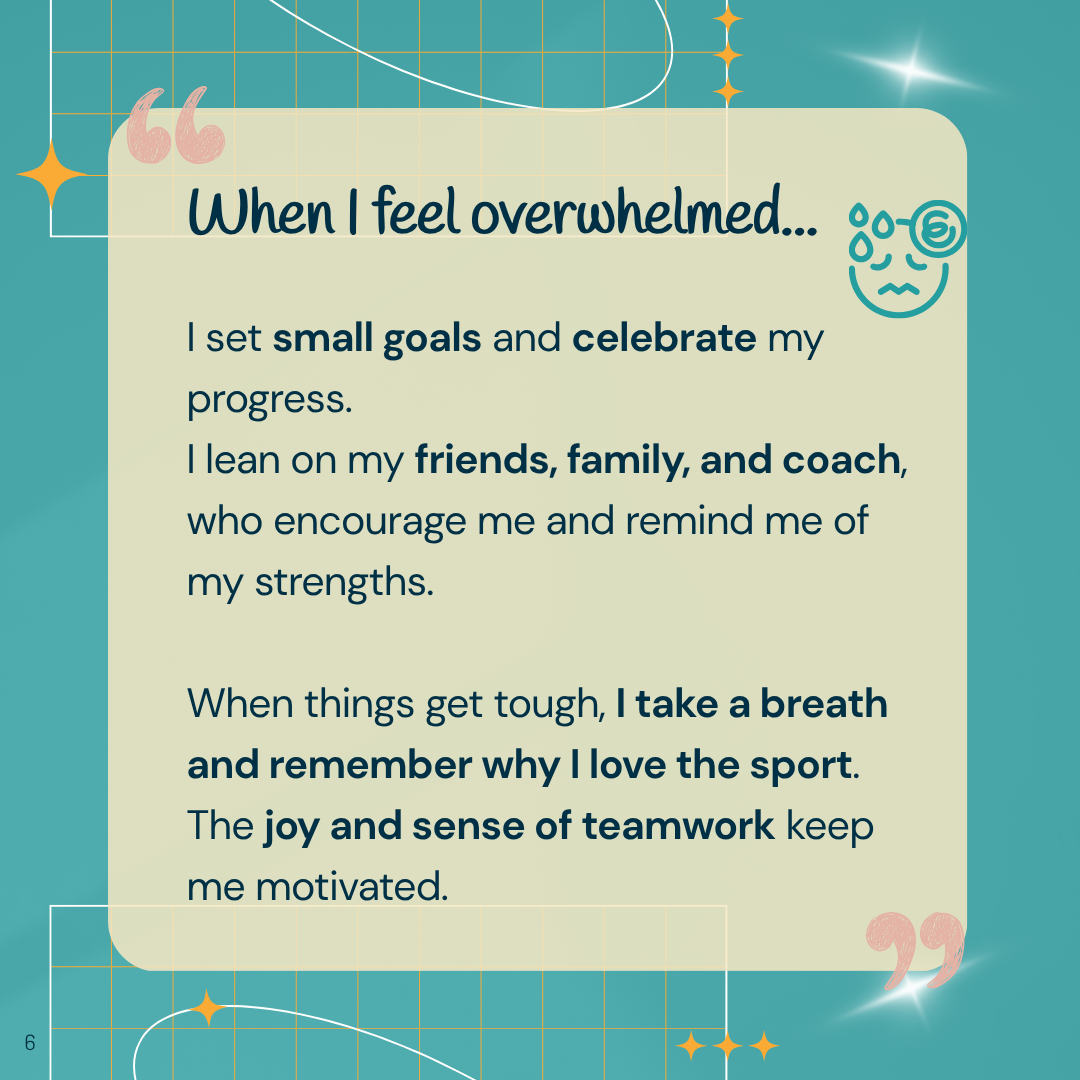
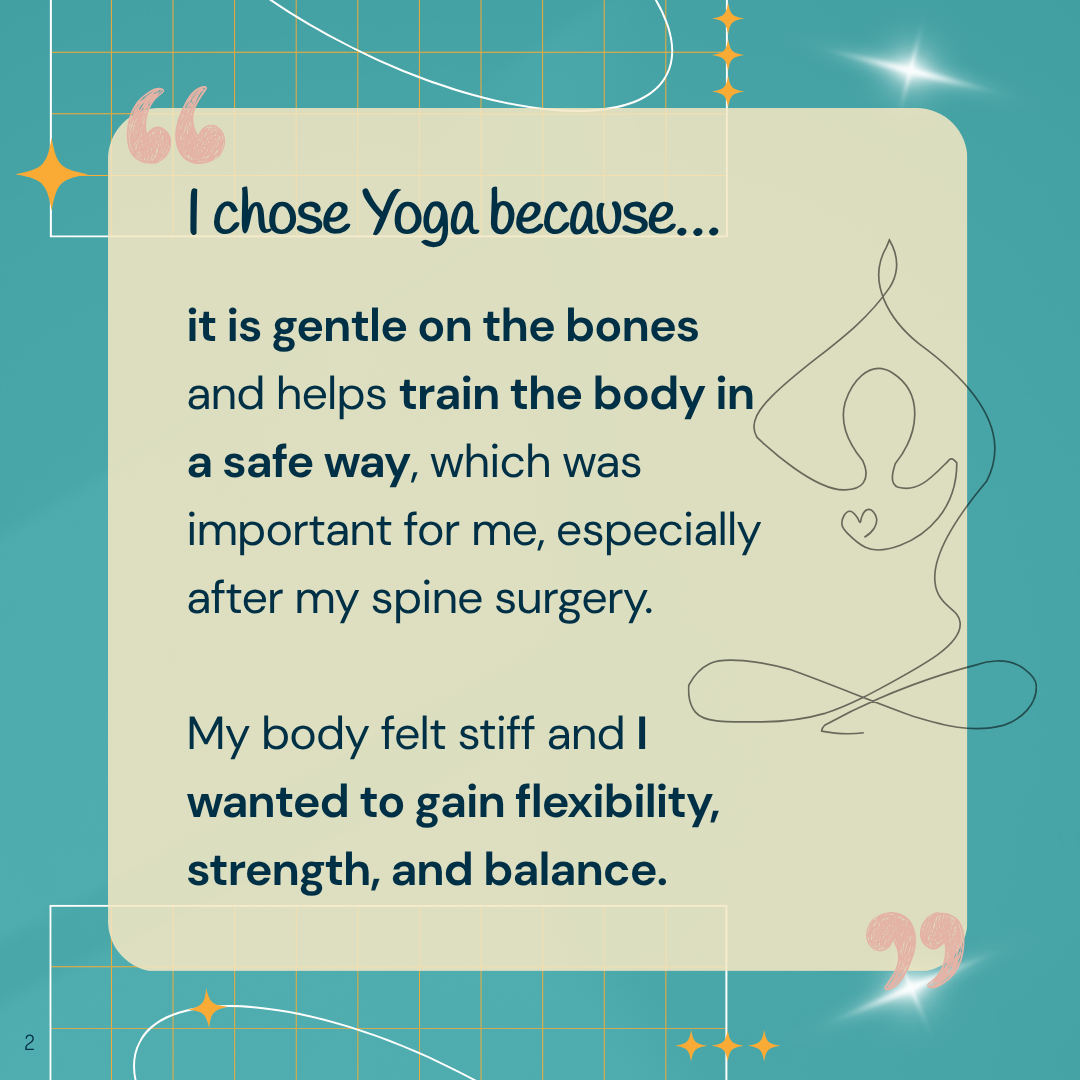
Yoga can be a great way to feel better in your body and mind. Yoga is not about being super flexible or doing fancy poses, it’s about getting to know your body, learning how to breathe better, and helping your mind chill out.
Yoga is an ancient system of postures, breathing, relaxation, and meditation practices. They allow you to explore and challenge your body, mind and spirit. It originated in India thousands of years ago. Today most people practice yoga for fitness and to improve their overall sense of well-being. Yoga can also help with managing pain, stiffness and stress in chronic health problems such as OI.
Practicing Yoga offers numerous benefits, including increased flexibility and improved movement, enhanced strength, reduced pain and morning stiffness, and better posture. It also boosts confidence, facilitates easier breathing, promotes a sense of calm and relaxation, and connects you with a supportive community.



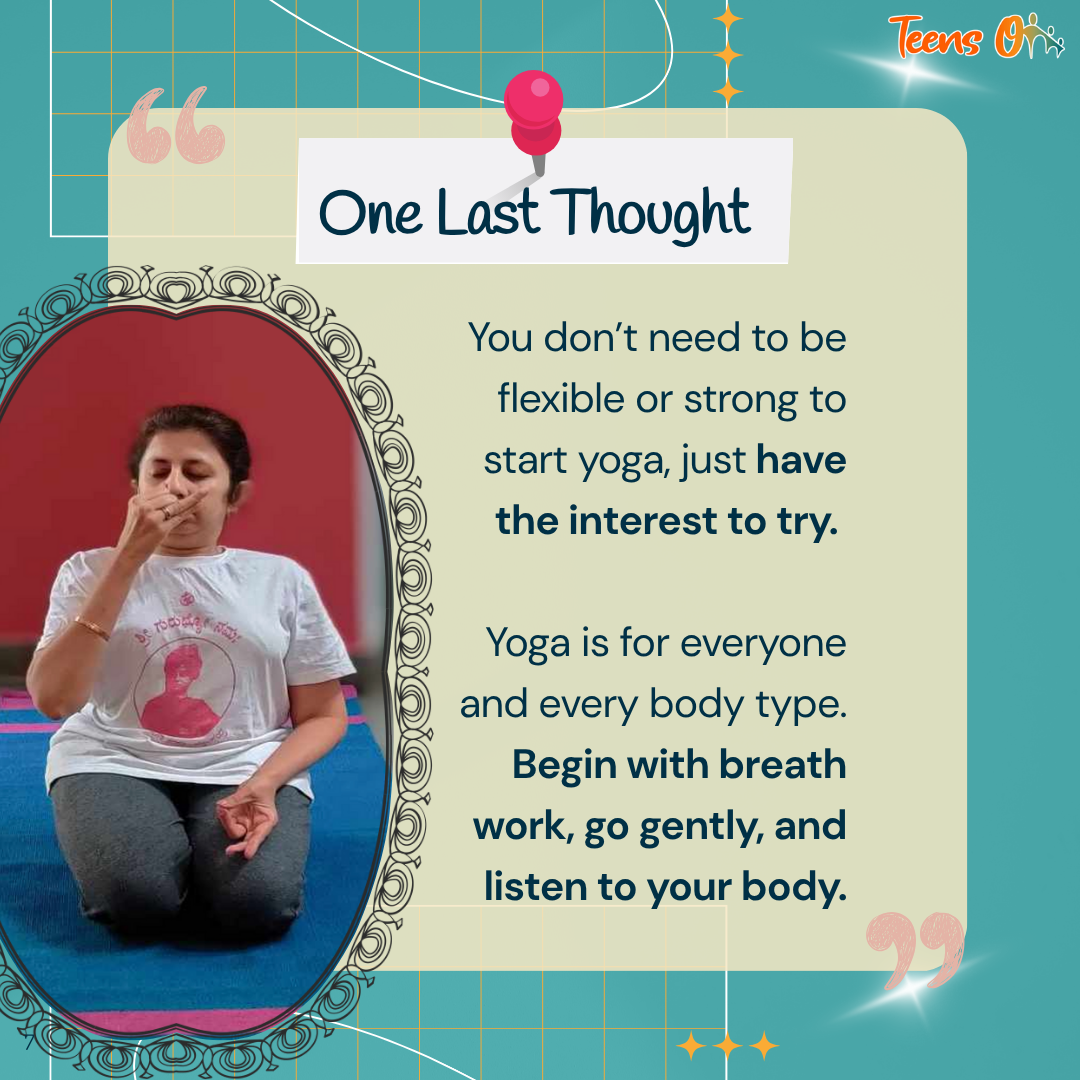

- Yoga breathing
Some people know that yoga involves breathing and energy techniques. One of the simplest breathing techniques is called “victorious breath.” This deep-breathing sounds almost like Darth Vader (from Star Wars). This is a great way to keep your focus on your breath while you are practicing yoga.
- How to practice yoga in the face of pain
If you are new to yoga, start slow. Add one or two new poses at a time. Use the modifications suggested if you need to with certain poses. Listen to your body. Yoga should be challenging but not painful to do. If in doubt, speak to your health care provider (or yoga instructor) for help in selecting the best poses for you.
- How to find a reputable studio
The most important thing to do is to meet a teacher who:
has experience as a yoga teacher, and how well you feel you can connect with them.
is open to learn about the condition or has experience working with people with fragile bones (such as osteoporosis).
has yoga credentials, such as from the Canadian Yoga Alliance. Have the person explain their credentials. Letters after their name may designate that they have a paid membership to a group rather than that they have passed tests to show their abilities.
has trained in a program for teaching teens and children, and someone who has training in yoga therapy.