Teenagers normally have a growth spurt between ages 12 to 18 (typically earlier for girls and later for boys).

- A healthy diet helps your growth and development. It provides the right amount of nutrients to keep you healthy and helps to prevent health problems.
- A poor diet may lead to problems such as anaemia (low red blood cells which reduces the amount of oxygen going to body tissues), poor energy, stunted growth, eating disorders, muscle weakness, constipation, reduced immunity, delayed healing, irritability, difficulty concentrating, skin problems and weight problems.
- Your diet should be high in vitamins and minerals (nutrient-dense) and low in processed foods, which are high in unhealthy fats (trans fat and some types of saturated fats) and simple sugars. Eating foods that are low in added fat and sugar can help you stay at a healthy weight and decrease the risk of health problems. 🔗 Canada’s Food Guide can help you make the right decisions for a healthy diet and offer many nutritious and delicious recipes. You can also check out “My Plate” from the US Department of Agriculture to see if you are making healthy choices and to get inspired.
- A poor diet may cause other health issues later in life such as heart disease, diabetes or even cancer. A nutritious diet and regular physical activity can lower your risk of having some of these problems.
- A healthy diet should include different kinds of foods from all the food groups. Meals should have enough of the following to help your mind and body grow:
- Vegetables and fruits
- Meat and meat alternatives, such as beans, legumes, nuts, and lean meats
- Grain products, such as brown rice, quinoa, oats and whole grain breads and pastas
- Milk and milk alternatives, such as yogurt, cheese and unsweetened plant-based beverages (soy/oat/almond milk)
 A diet high in sweets (packaged and prepared candies, cookies, cakes, etc.), highly processed foods, fried foods and fast foods can result in poor nutrition. It is important to limit fast food and convenience foods and to eat home-made meals more often, since home-made foods are often more nutrient- and fibre-dense, and lower in saturated fat, simple sugars and sodium (salt).
examples of fast foods and convenience foods are hamburgers, hot dogs, French fries, pizza, potato chips, candy, chocolate, commercial baked goods, and sugary drinks. Try to replace these high fat, high sugar foods with healthy foods from the four food groups (vegetables and fruit, meat and meat alternatives, grains and milk and milk alternatives). You can make big improvements to your diet by making small changes, like swapping out soda/pop for milk or water, or choosing vegetables and healthy dips (like hummus or guacamole) as a snack instead of candy, chips, cookies, or chocolate bars. This doesn’t mean you are not allowed to have any junk food or sweets at all – you can have a healthy diet with some indulgences occasionally. Moderation is the key!
A diet high in sweets (packaged and prepared candies, cookies, cakes, etc.), highly processed foods, fried foods and fast foods can result in poor nutrition. It is important to limit fast food and convenience foods and to eat home-made meals more often, since home-made foods are often more nutrient- and fibre-dense, and lower in saturated fat, simple sugars and sodium (salt).
examples of fast foods and convenience foods are hamburgers, hot dogs, French fries, pizza, potato chips, candy, chocolate, commercial baked goods, and sugary drinks. Try to replace these high fat, high sugar foods with healthy foods from the four food groups (vegetables and fruit, meat and meat alternatives, grains and milk and milk alternatives). You can make big improvements to your diet by making small changes, like swapping out soda/pop for milk or water, or choosing vegetables and healthy dips (like hummus or guacamole) as a snack instead of candy, chips, cookies, or chocolate bars. This doesn’t mean you are not allowed to have any junk food or sweets at all – you can have a healthy diet with some indulgences occasionally. Moderation is the key!  Skipping meals, especially breakfast, often leads to higher hunger during the day and snacking on high-energy highly processed foods rather than more nutritious foods. It is important to eat three meals to provide your body with constant energy throughout the day.
Complete with healthy snacks in between if you feel hungry. Not hungry for three meals? Consider reducing your portions or splitting a meal in 2 snacks (ex.: instead of a complete breakfast, have 1 fruit when you wake up and yogurt with granola 2 hours later).
Skipping meals, especially breakfast, often leads to higher hunger during the day and snacking on high-energy highly processed foods rather than more nutritious foods. It is important to eat three meals to provide your body with constant energy throughout the day.
Complete with healthy snacks in between if you feel hungry. Not hungry for three meals? Consider reducing your portions or splitting a meal in 2 snacks (ex.: instead of a complete breakfast, have 1 fruit when you wake up and yogurt with granola 2 hours later).  It is tempting to try those because they often promise quick fix for weight loss or health problems. However, fad diets may be overly restrictive, unbalanced, lacking in essential nutrients and may not have scientific evidence to suggest they have proven benefits. Some diets may show short-term benefits such as weight loss that have been shown to not last in the long-term. During childhood and adolescence. a well-balanced diet is essential to provide all the nutrients you need to grow and stay healthy, and this requires enough food. Eating should also be an enjoyable experience! Overly restrictive diets can affect your quality of life by limiting your dietary choices, and the times/places you can eat.
Also, extreme dieting is too often a gateway to the slippery slope of disordered eating which could lead to eating disorders such as anorexia nervosa and bulimia nervosa. Anorexia nervosa is defined as an obsessive desire to lose weight by restricting food intake. Bulimia nervosa is typically binge eating followed by compensatory methods like throwing up, using laxative medicine, fasting (not eating at all) or intense exercising. You should consult your physician and/or dietitian for advice before starting elimination or restriction diets to ensure your diet meets all of your nutrient needs. You should also consult your physician if you think you might have symptoms of eating disorders., or visit online resources to get some help (NEDIC in Canada, ANEB in Quebec).
 A dietary supplement contains ingredients to add to the diet. These ingredients may be vitamins, minerals, herbs or other plant materials, amino acids, or enzymes. Supplements may come in pill, capsule, powder, or liquid form. They may be sold in a grocery, health food, or drug store. You can also get them through the internet, TV, or direct sales.
Many supplements claim to treat or even cure various conditions. Be critical of claims that seems “too good to be true”. Unfortunately, there is usually no scientific evidence to support these claims.
Always use caution when choosing a dietary supplement. You may want to check with a health care professional, such as a doctor, pharmacist, or dietitian, before taking any supplement. Sometimes, a supplement has to be taken at a certain dose for it to be effective, but it is not always sold at these doses.
However, some dietary supplements have been proven effective. For example, vitamin D is important for building strong bones because it increases the absorption of calcium. When possible, try to prioritize getting nutrients from the food you eat as it contains other important molecules that will increase the absorption or increase the positive effects of those nutrients. However, when this is not possible, supplements are a great plan B!

Choose calcium rich foods daily such as cow’s milk or plant-based alternatives, cheese, yogurt, soy-based products, dark greens, dried beans, and nuts. Cow’s milk or plant-based alternatives are also high in vitamin D. Aim to meet your growing body’s requirements (see table below). Your doctor or dietitian will instruct you on how much to take from a supplement if needed.
Calcium & Vitamin D Requirements
| Age (years) | Calcium | Vitamin D |
| 1-3 | 700mg | 600 IU |
| 4-8 | 1000 mg | 600 IU |
| 9-18 | 1300 mg | 600 IU |
| 19-70 | 1000 mg | 600 UI |
OI adults with short stature may require less calcium and vitamin D supplements than usually prescribed. Total calcium intake of 800 to 1000 mg (milligrams) per day is usually sufficient. Supplemental vitamin D intake should not exceed 800 IU/day. (🔗 Reference: OIF )
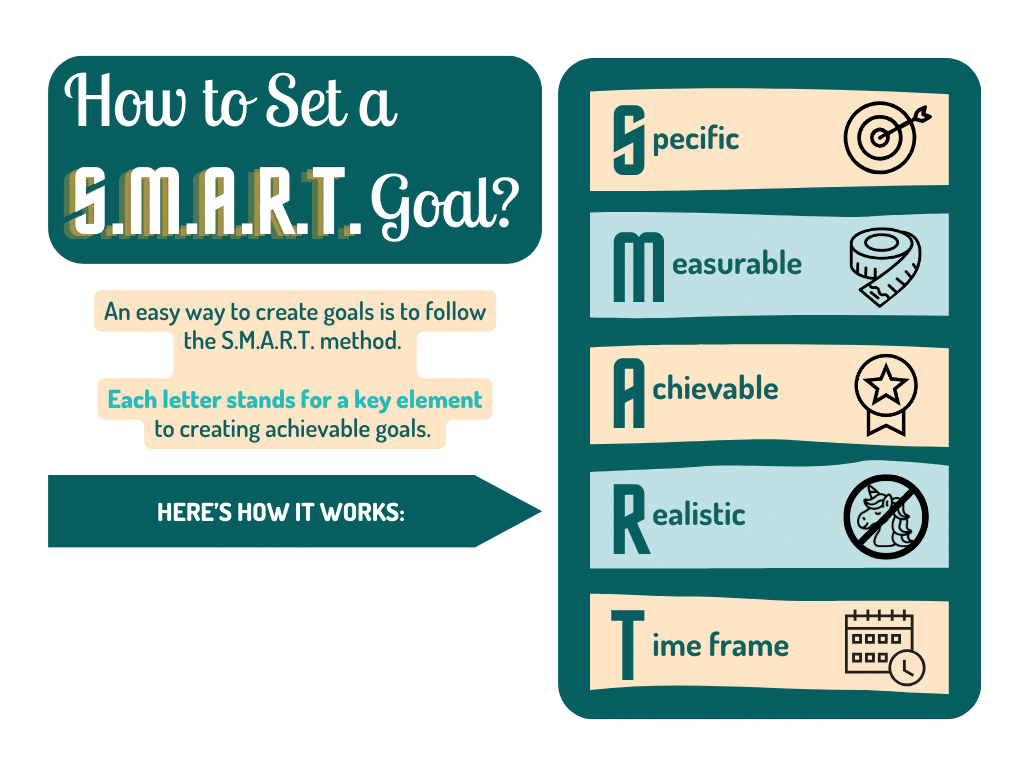
- What are your goals for eating healthy? Are they SMART goals (Getting Started Module)? Remember that S.M.A.R.T. goals are: